If you’re preparing for the future and looking to understand estate taxes, you may come across the Federal Form 706 2026. This form is used to calculate estate tax owed on large estates.
When someone passes away, their estate may be subject to federal estate tax if it exceeds a certain value. Form 706 2026 helps determine the amount of tax due and must be filed within nine months of the taxpayer’s death.
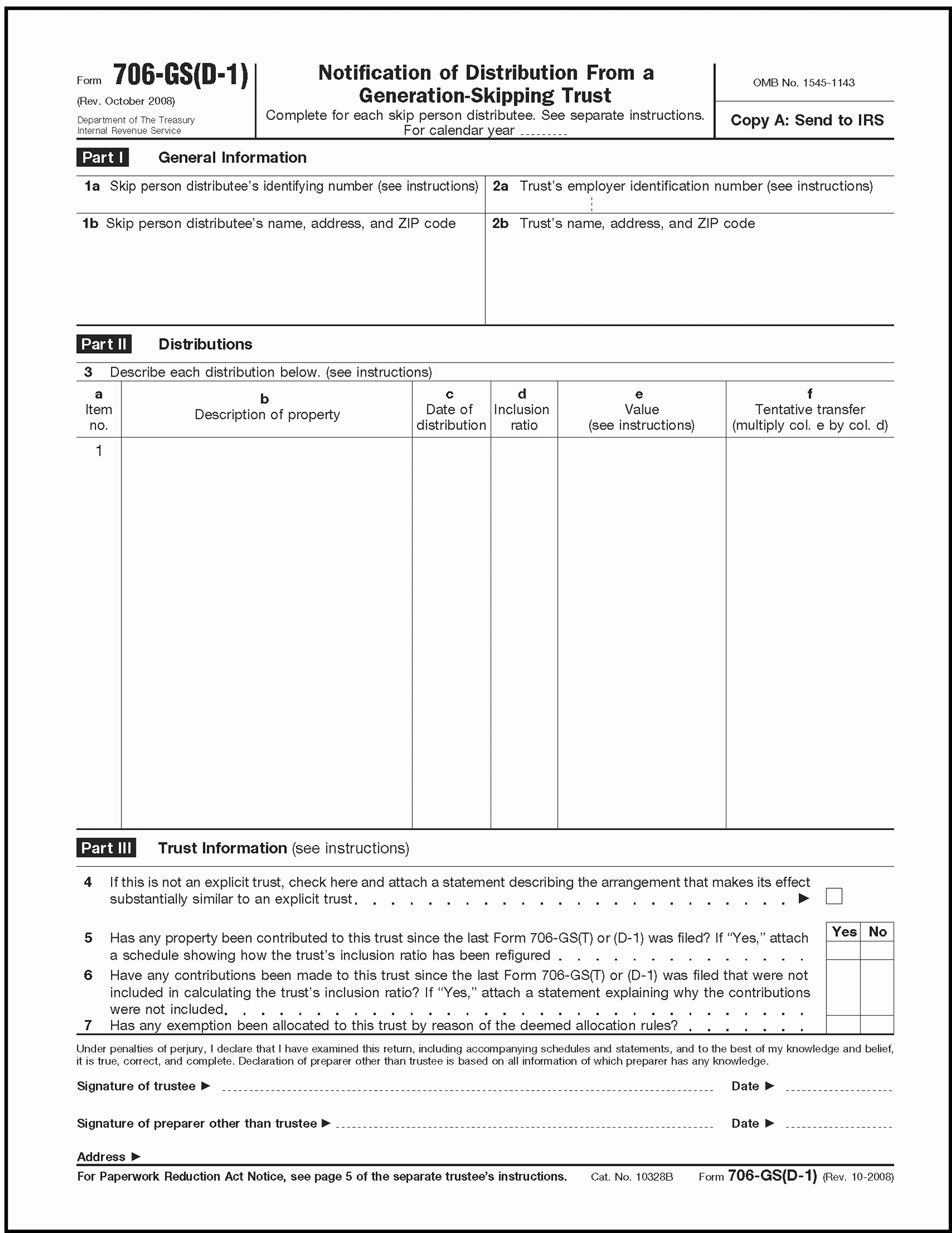
Federal Form 706 2026
Understanding Federal Form 706 2026
Completing Form 706 2026 requires detailed information about the deceased person’s assets, liabilities, and transfers made during their lifetime. It’s essential to accurately report these figures to ensure compliance with tax laws and avoid potential penalties.
One key aspect of Form 706 2026 is determining the fair market value of assets like real estate, investments, and personal property. Appraisals may be necessary to establish these values and support the information provided on the form.
After submitting Form 706 2026, the IRS will review the information provided and calculate the estate tax liability. Paying any tax owed promptly is crucial to avoid interest accruing on the outstanding balance. Seeking advice from a tax professional can help navigate this process successfully.
In conclusion, understanding and completing Federal Form 706 2026 is essential for estate planning and tax compliance. By accurately reporting assets and liabilities, individuals can ensure their estate is handled according to their wishes and minimize tax liabilities for their heirs.
What Is IRS Form 706 United States Estate and Generation Skipping Transfer Tax Return
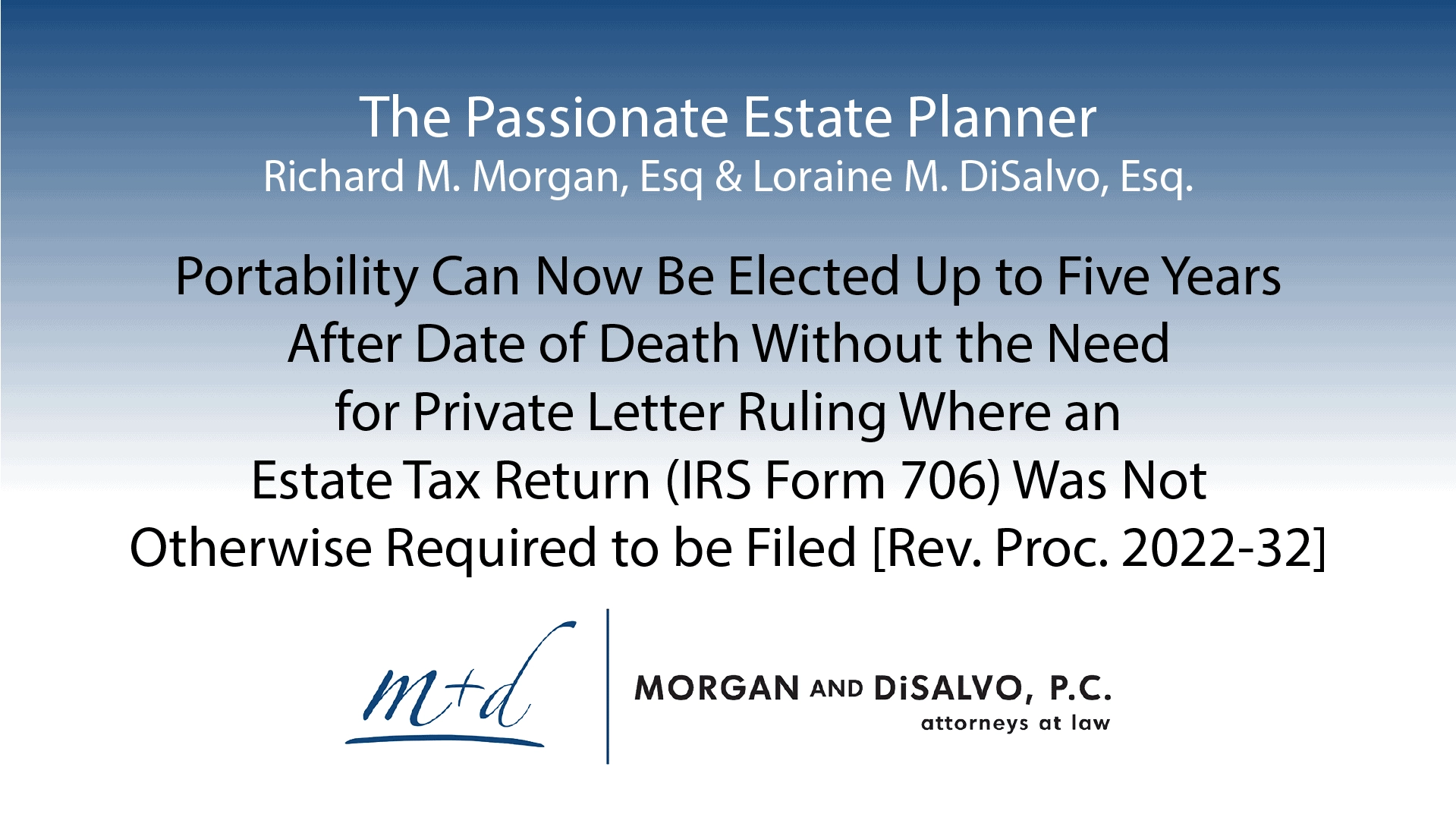
Portability Can Now Be Elected Up To Five Years After Date Of

From Death To Deadlines An Overview Of Form 706 Federal Estate
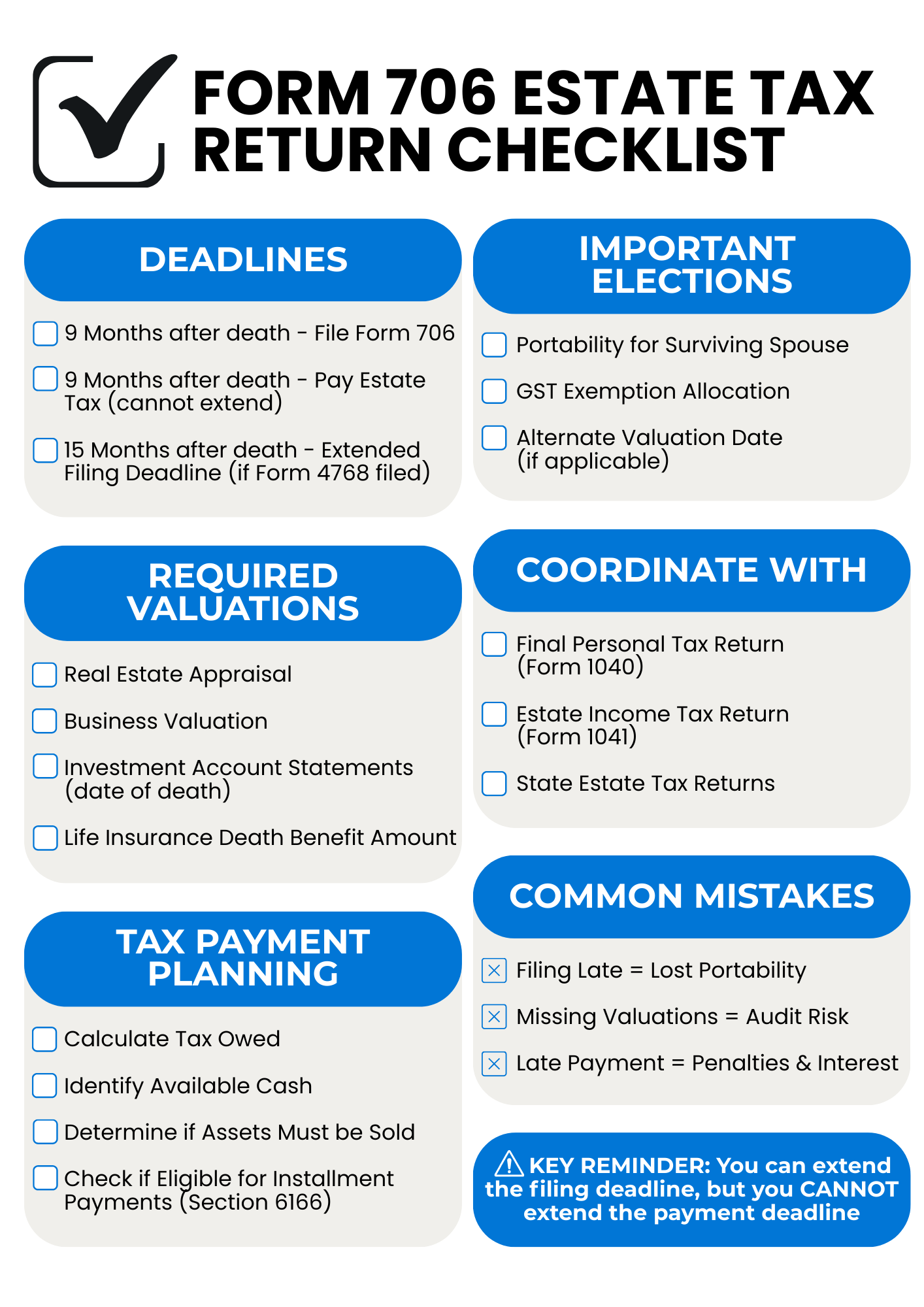
From Death To Deadlines An Overview Of Form 706 Federal Estate
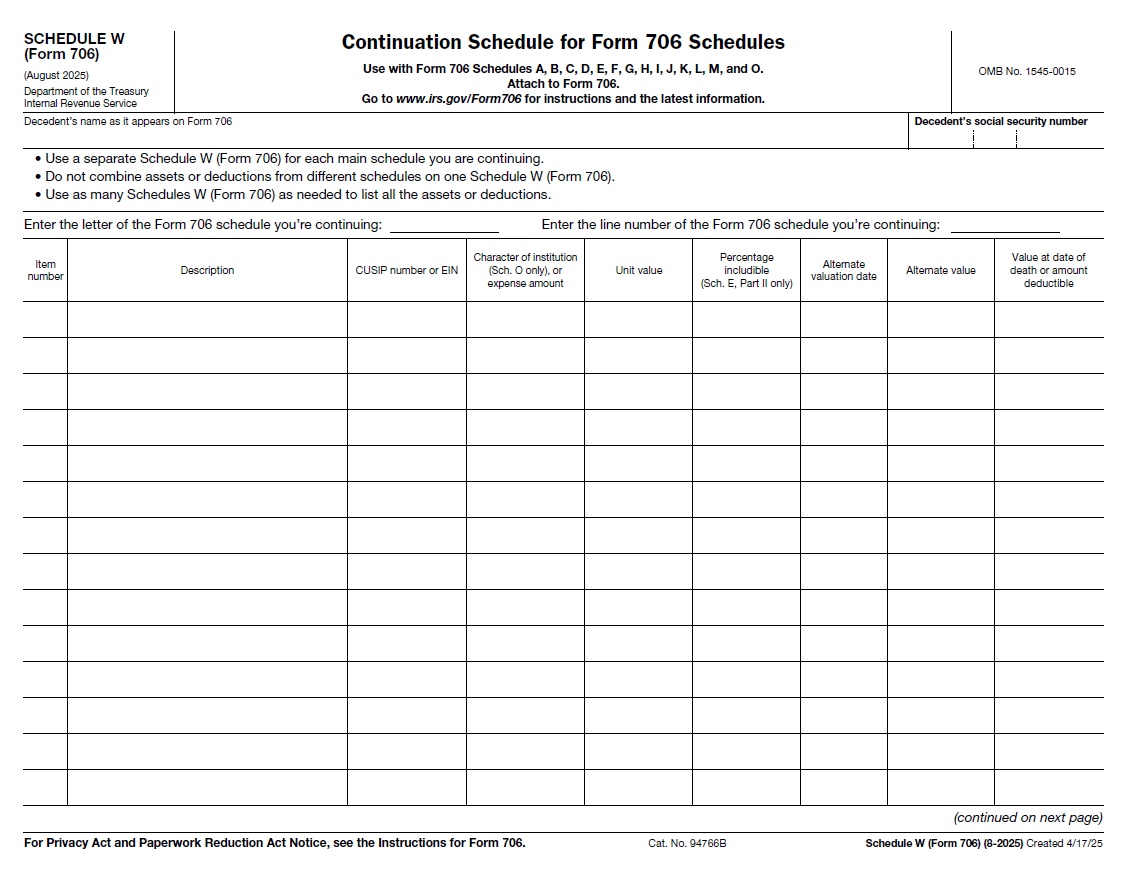
2025 Changes To IRS Form 706 By Griffin Bridgers