When it comes to planning for the future, filling out designation of beneficiary forms is an important step to ensure your assets are passed on according to your wishes. These forms allow you to specify who will receive your retirement accounts, life insurance policies, and other assets after you pass away.
Designation of beneficiary forms are commonly used for retirement accounts such as 401(k)s and IRAs, as well as life insurance policies. By completing these forms, you can designate primary and contingent beneficiaries, specify the percentage of assets each beneficiary will receive, and update your beneficiaries as needed.
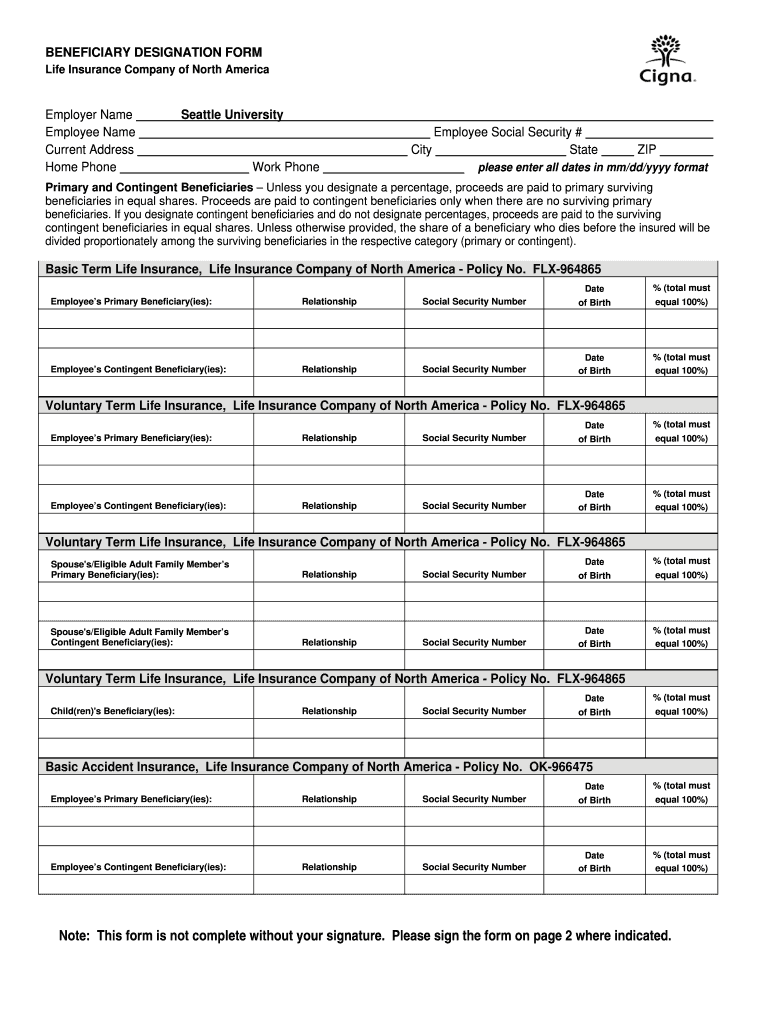
Designation Of Beneficiary Forms
Designation Of Beneficiary Forms: A Key Component Of Estate Planning
It’s crucial to keep your designation of beneficiary forms up to date, especially after major life events such as marriage, divorce, or the birth of children. By ensuring your forms reflect your current wishes, you can avoid potential disputes and ensure your assets are distributed according to your intentions.
Working with a financial advisor or estate planning attorney can help you navigate the complexities of designation of beneficiary forms and ensure your wishes are carried out effectively. These professionals can provide guidance on naming beneficiaries, updating forms, and integrating beneficiary designations with your overall estate plan.
Ultimately, taking the time to complete and update your designation of beneficiary forms is a proactive way to protect your loved ones and ensure your assets are distributed according to your wishes. By addressing this important aspect of estate planning, you can have peace of mind knowing that your financial affairs are in order.
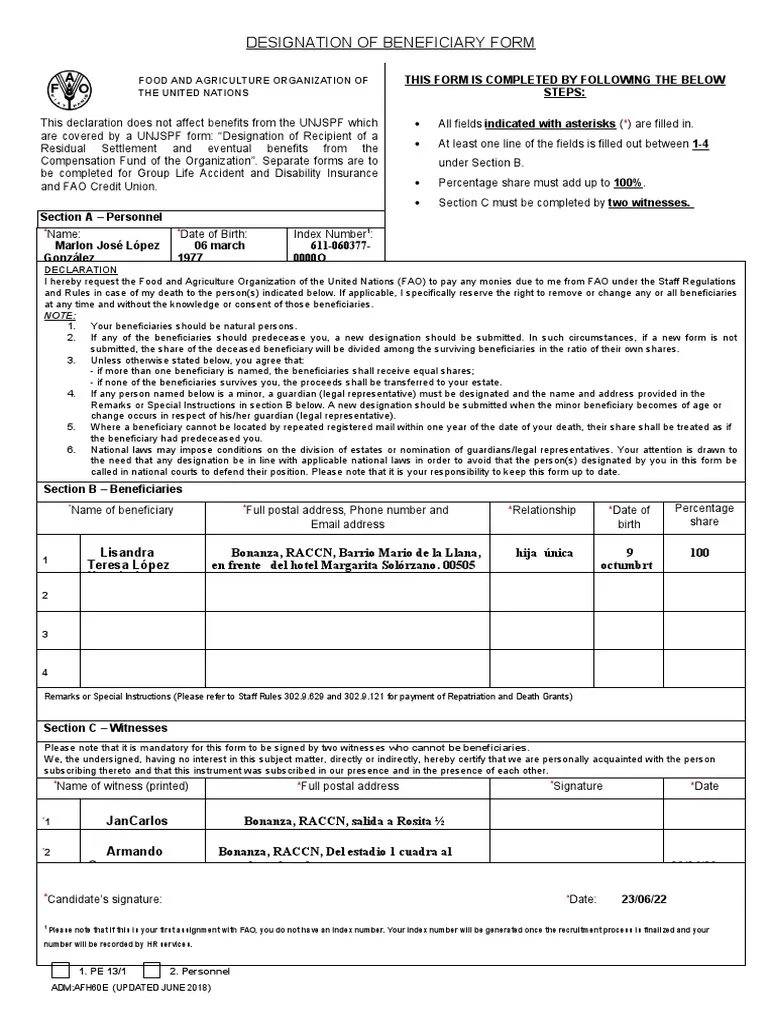
FAO Beneficiary Designation Form PDF Government Justice
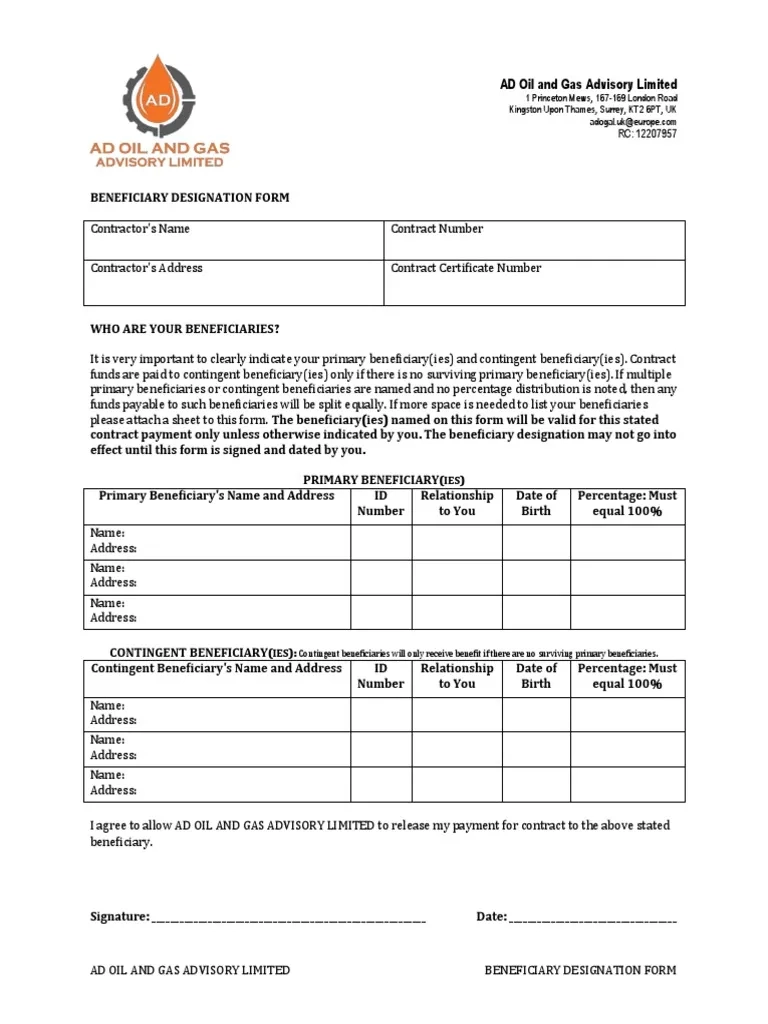
Beneficiary Designation Form PDF Business Law Private Law
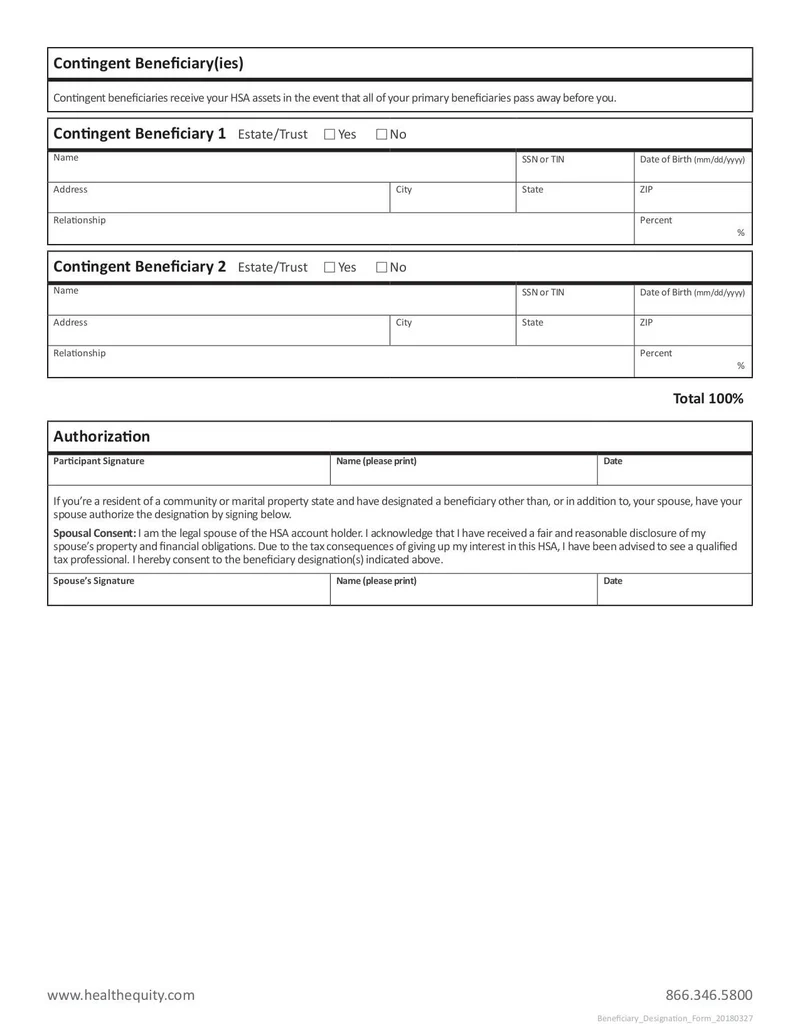
Beneficiary Designation Form Fill And Sign Online With Lumin
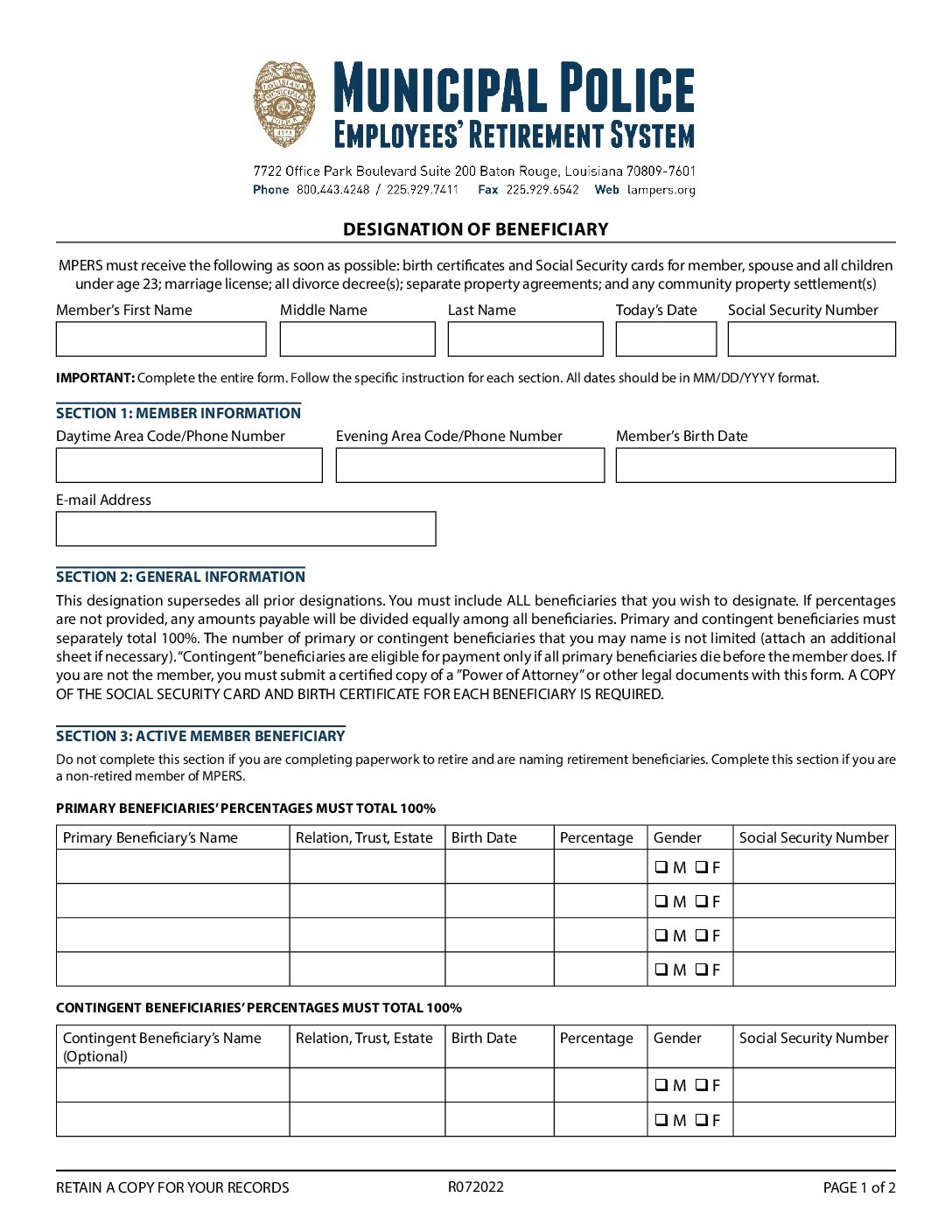
Beneficiary Designation Form Lampers
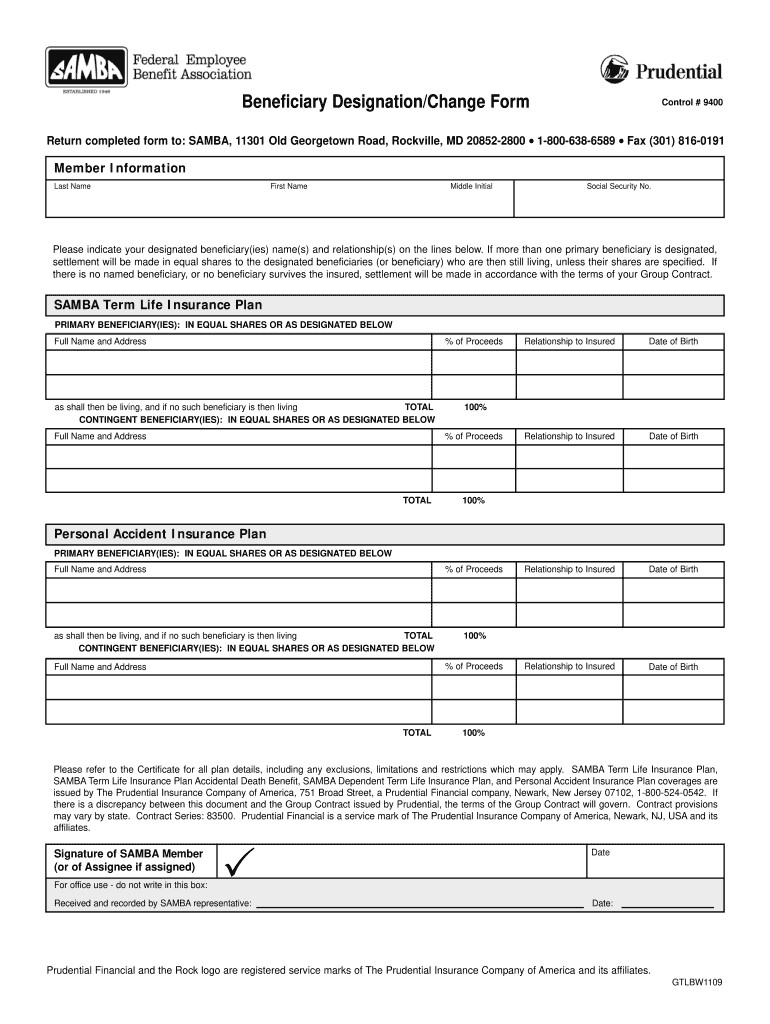
Beneficiary Form Fill Out amp Sign Online DocHub