Have you ever wondered how forms on websites actually work? Whether you’re signing up for a newsletter, applying for a job, or making a purchase, forms play a crucial role in collecting information from users.
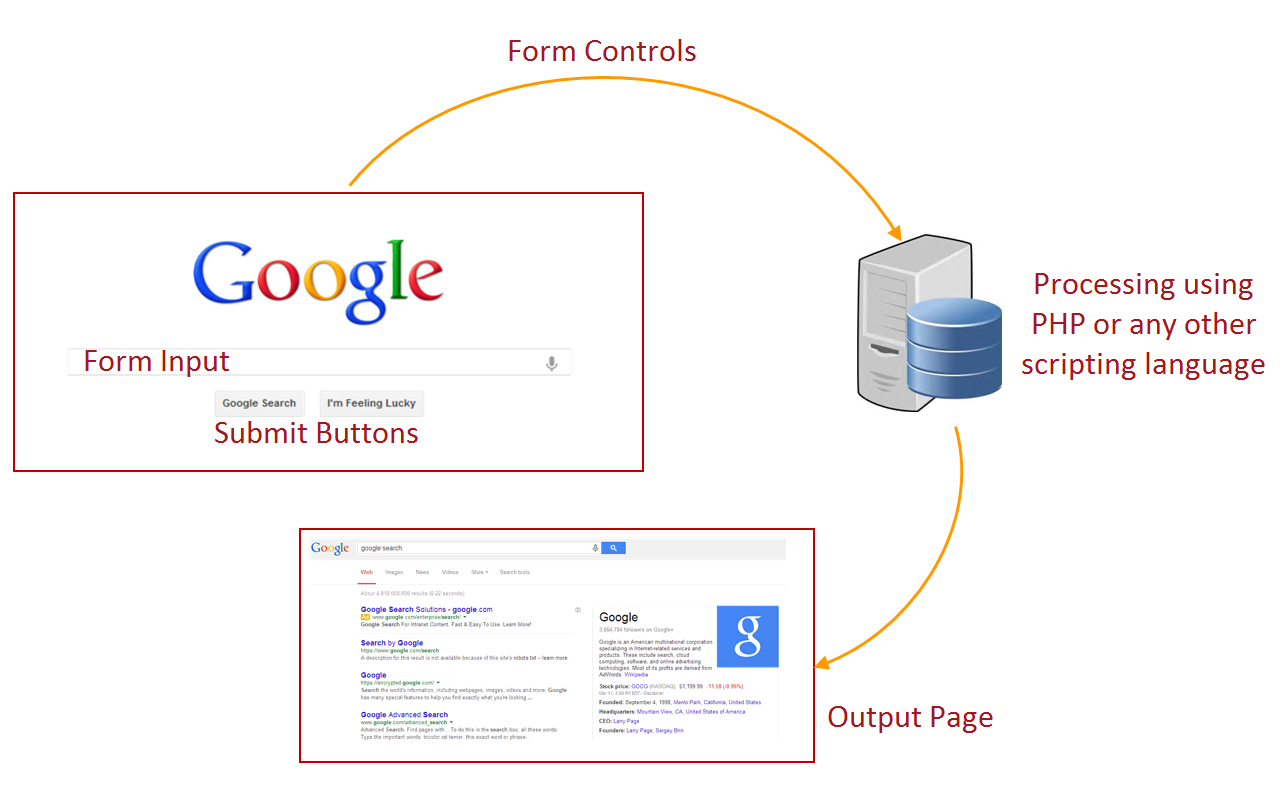
When you fill out a form and hit submit, the information you provide is sent to a server where it is processed and stored. This data can then be used by the website owner for various purposes, such as contacting you, processing your order, or analyzing user behavior.

How Forms Work
How Forms Work
Forms are typically created using HTML, which allows web developers to design input fields for users to enter their information. These fields can include text boxes, dropdown menus, checkboxes, and more, depending on the type of information being collected.
Once you submit a form, the data is usually sent to a server using a programming language like PHP or JavaScript. The server then processes the information and may perform tasks such as sending confirmation emails, updating databases, or redirecting you to a new page.
Validation is an important aspect of form functionality, as it helps ensure that users enter data in the correct format. For example, an email field should only accept valid email addresses, while a phone number field should only allow numbers.
In conclusion, forms are an essential part of the online experience, allowing users to interact with websites in a meaningful way. Next time you fill out a form, take a moment to appreciate the behind-the-scenes process that makes it all possible!
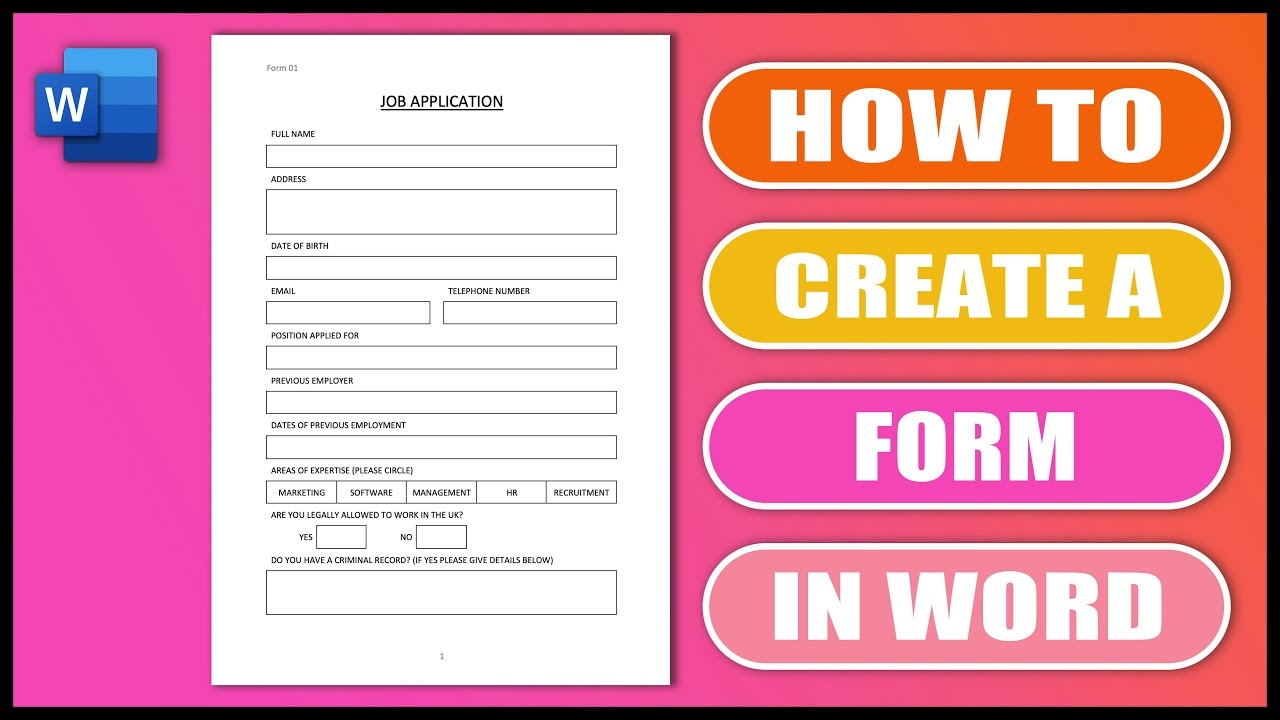
HOW TO CREATE A FORM IN WORD Make A Printable Form In Word
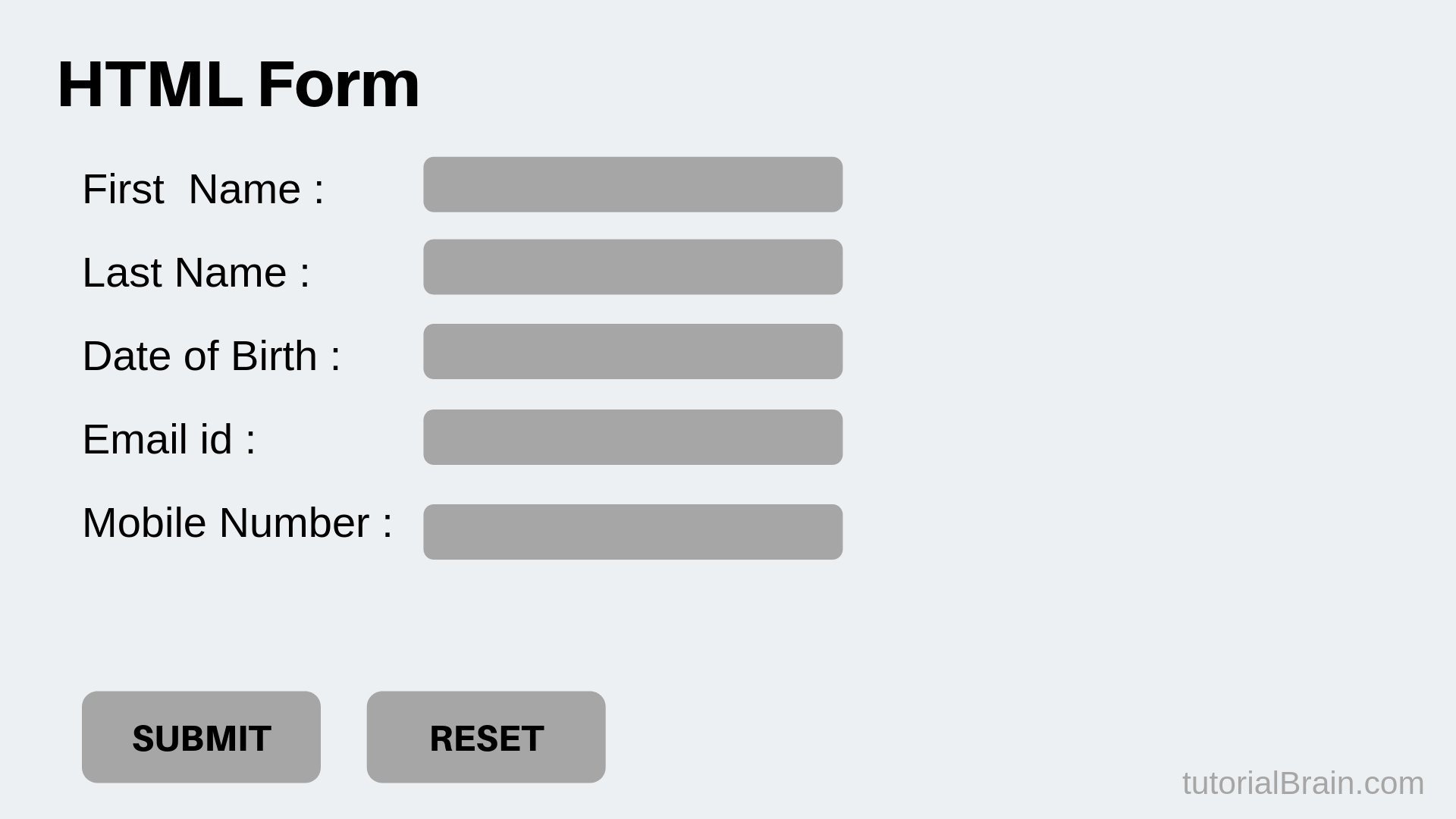
HTML Forms Tutorial How To Create Forms In HTML TutorialBrain
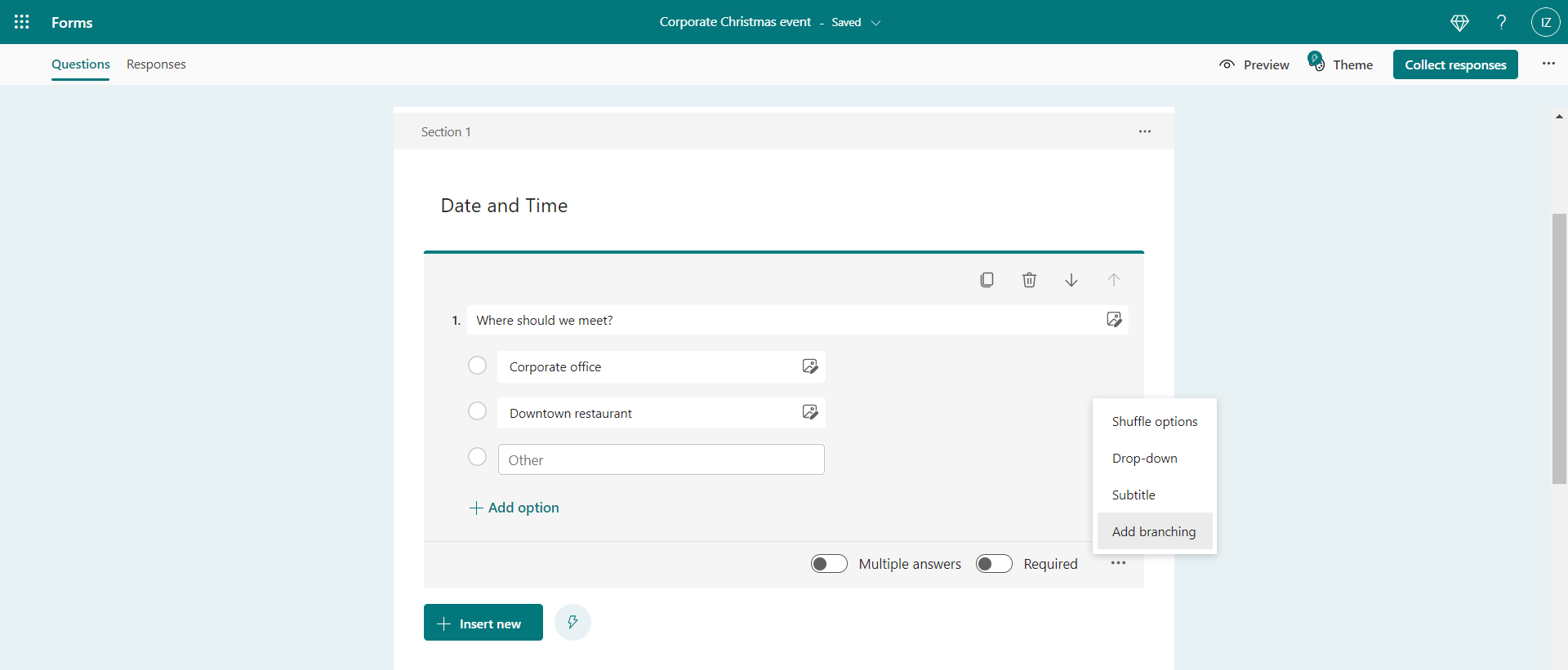
Microsoft Forms lykk iden Kyselylomakkeiden Luominen
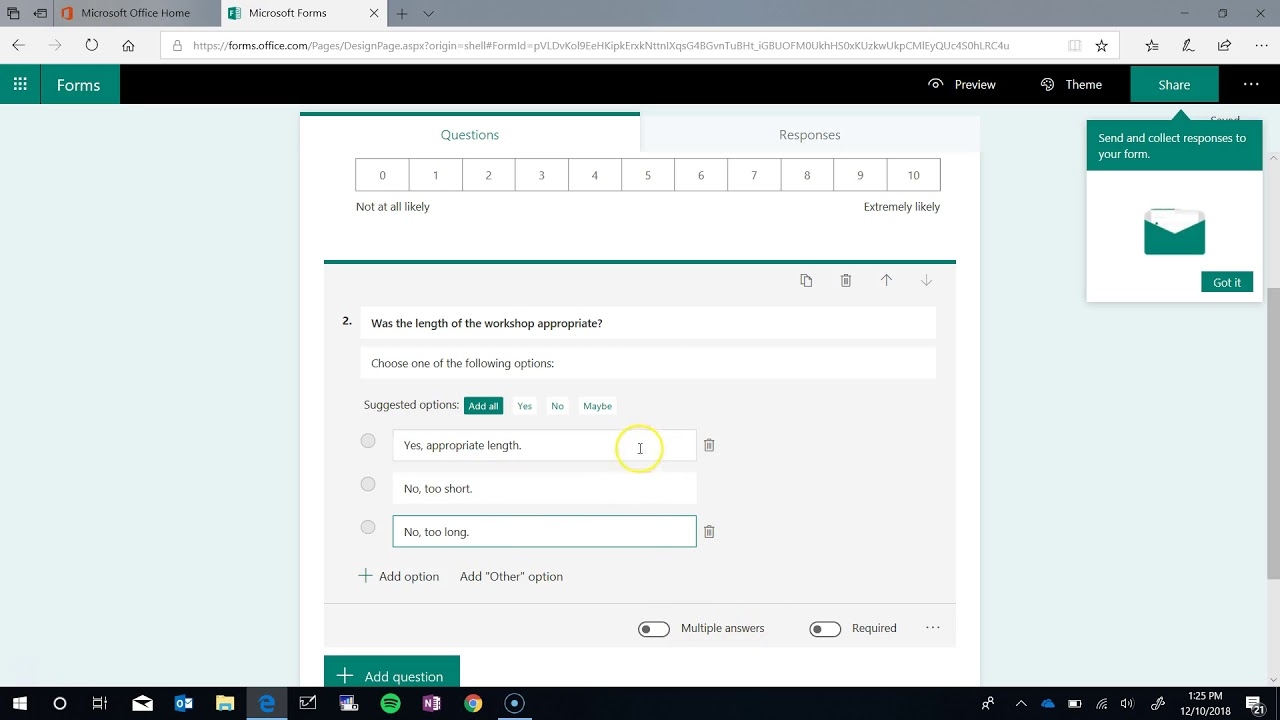
Microsoft Office Forms How To Create And Share A Form
How To Create Forms In HTML WebNots