Dealing with estate tax returns can be confusing and overwhelming, especially when it comes to IRS Form 706, also known as the Estate Tax Return. This form is used to calculate the tax due on the estate of a deceased person.
It’s essential to understand the requirements and deadlines associated with filing IRS Form Estate Tax Return to avoid penalties and ensure compliance with the IRS regulations. By providing accurate information and documentation, you can streamline the process and minimize any potential issues.
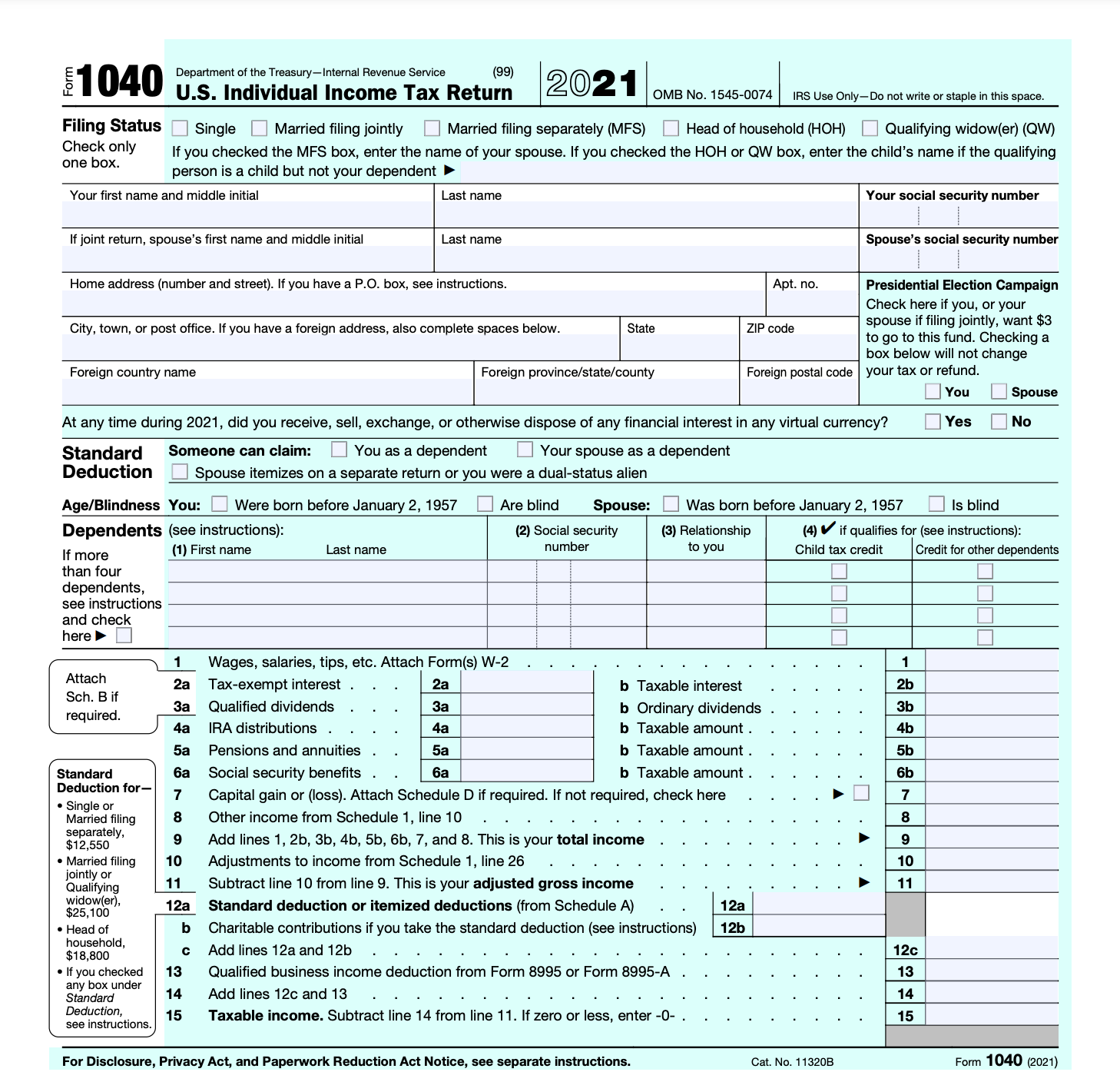
Irs Form Estate Tax Return
What is IRS Form Estate Tax Return?
IRS Form 706 is used to report the value of the decedent’s estate and calculate the estate tax due. This form includes detailed information about the assets, liabilities, deductions, and credits related to the estate.
When completing IRS Form Estate Tax Return, it’s crucial to consult with a tax professional or estate planner to ensure accuracy and compliance. They can help you navigate the complex tax laws and regulations to minimize tax liability and maximize the benefits for the estate.
By understanding the intricacies of IRS Form 706 and seeking guidance from experts, you can effectively manage the estate tax return process. Remember to keep detailed records, stay organized, and meet all deadlines to avoid any unnecessary stress or penalties.
In conclusion, IRS Form Estate Tax Return plays a vital role in determining the tax liability of a deceased person’s estate. By following the guidelines and seeking professional assistance, you can navigate this process with confidence and ensure compliance with the IRS regulations.
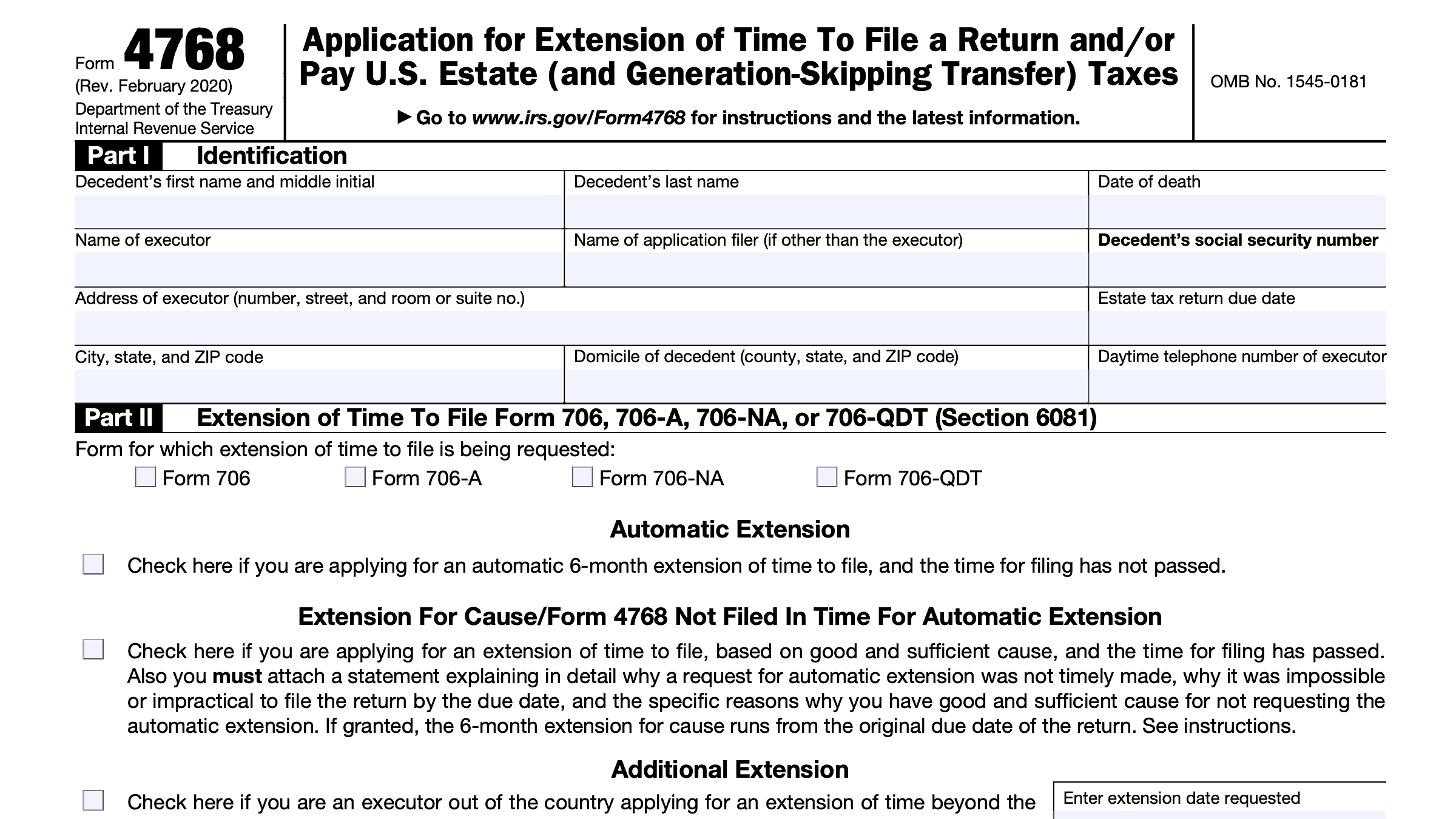
IRS Form 4768 Instructions Extensions For Estate Tax Returns
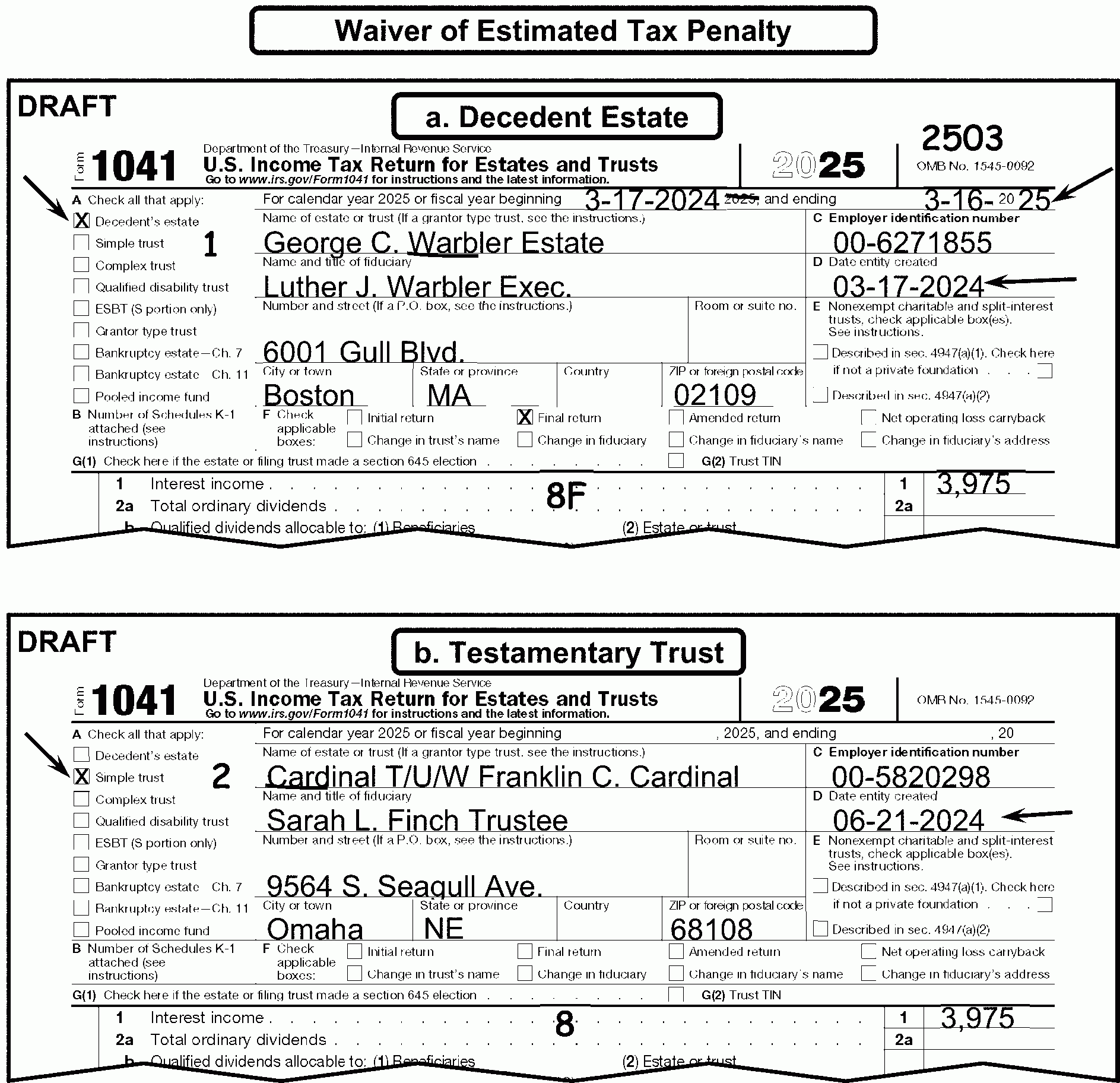
3 11 14 Income Tax Returns For Estates And Trusts Forms 1041
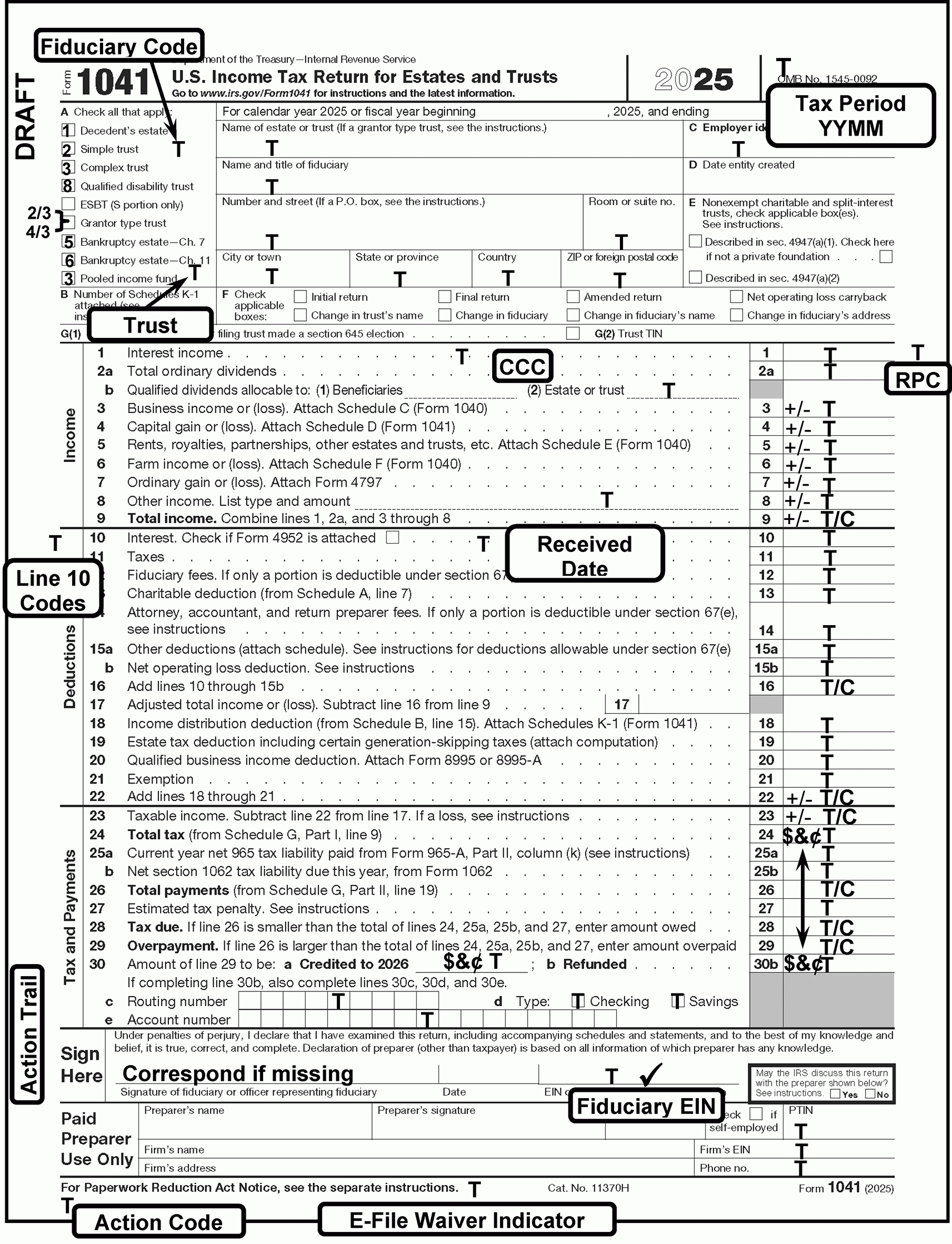
3 11 14 Income Tax Returns For Estates And Trusts Forms 1041
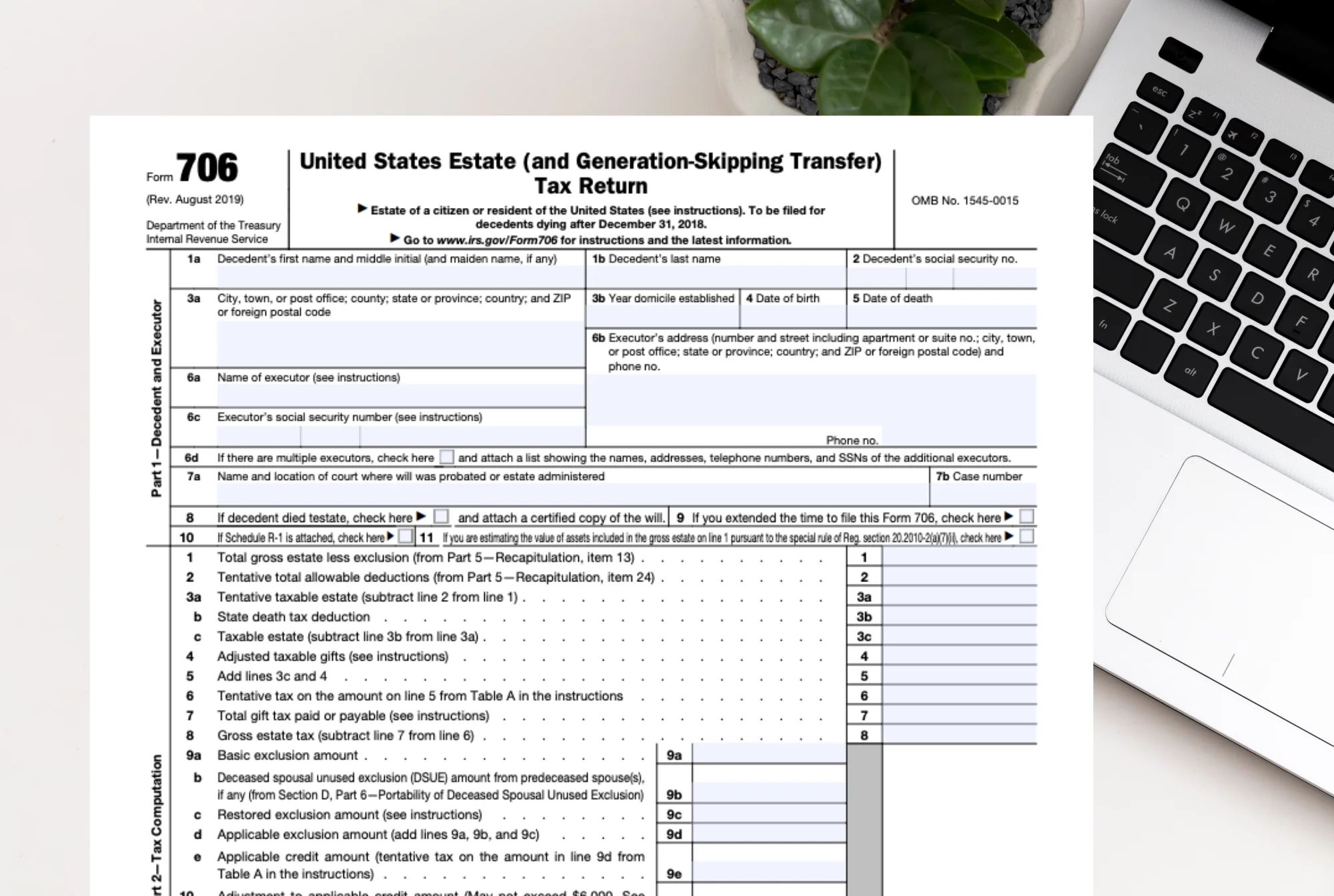
Estate Tax Returns Demystified A Tax Preparer s Resource For IRS Form
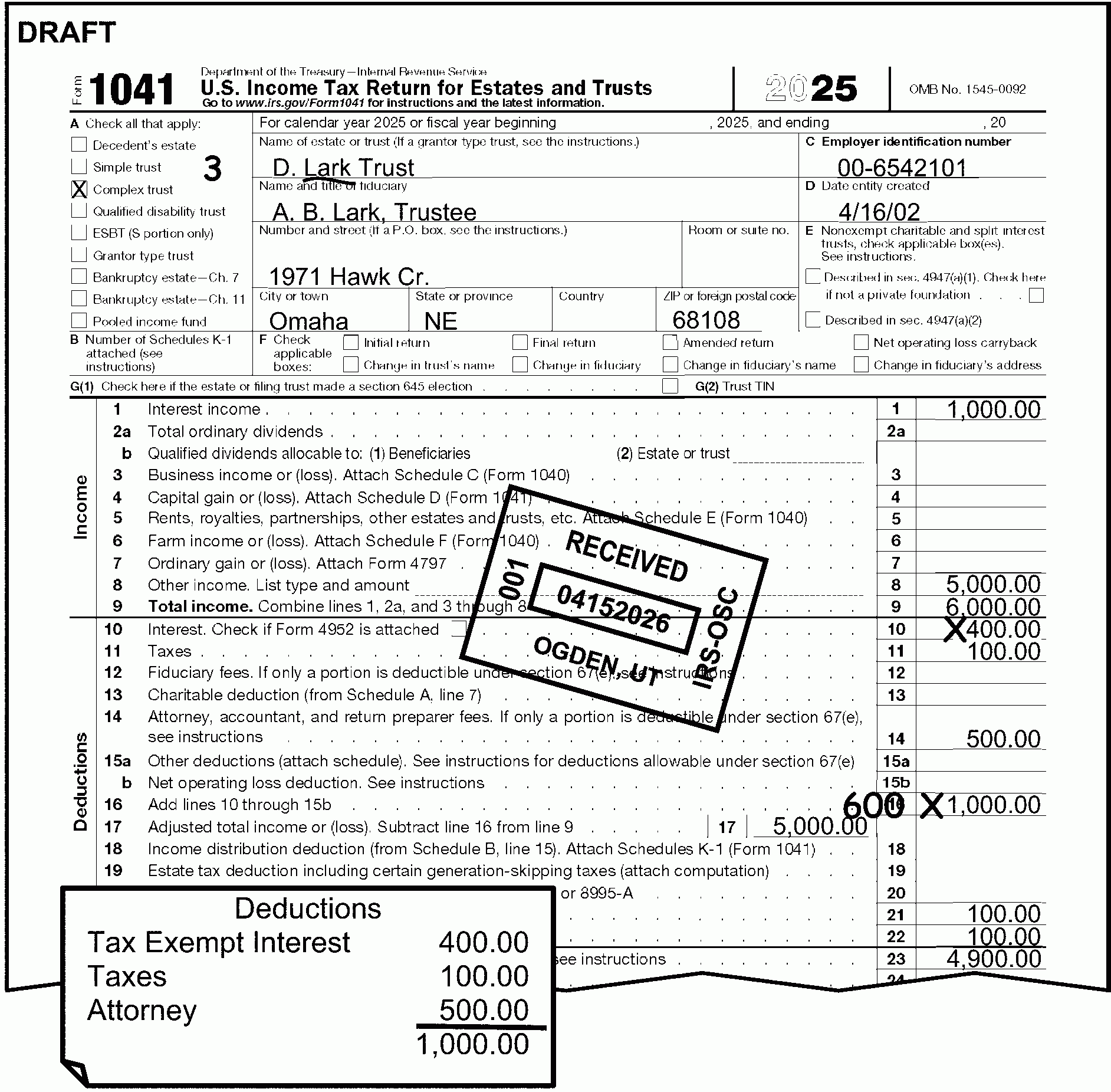
3 11 14 Income Tax Returns For Estates And Trusts Forms 1041