Thinking of selling your home and wondering about the tax implications? We’ve got you covered. When it comes to reporting the sale of your home to the IRS, it’s important to understand the ins and outs of Form 1099-S.
As a homeowner, you may be required to report the sale of your primary residence on your tax return. This is where IRS Form 1099-S comes into play. This form is used to report the proceeds from the sale of real estate to the IRS.
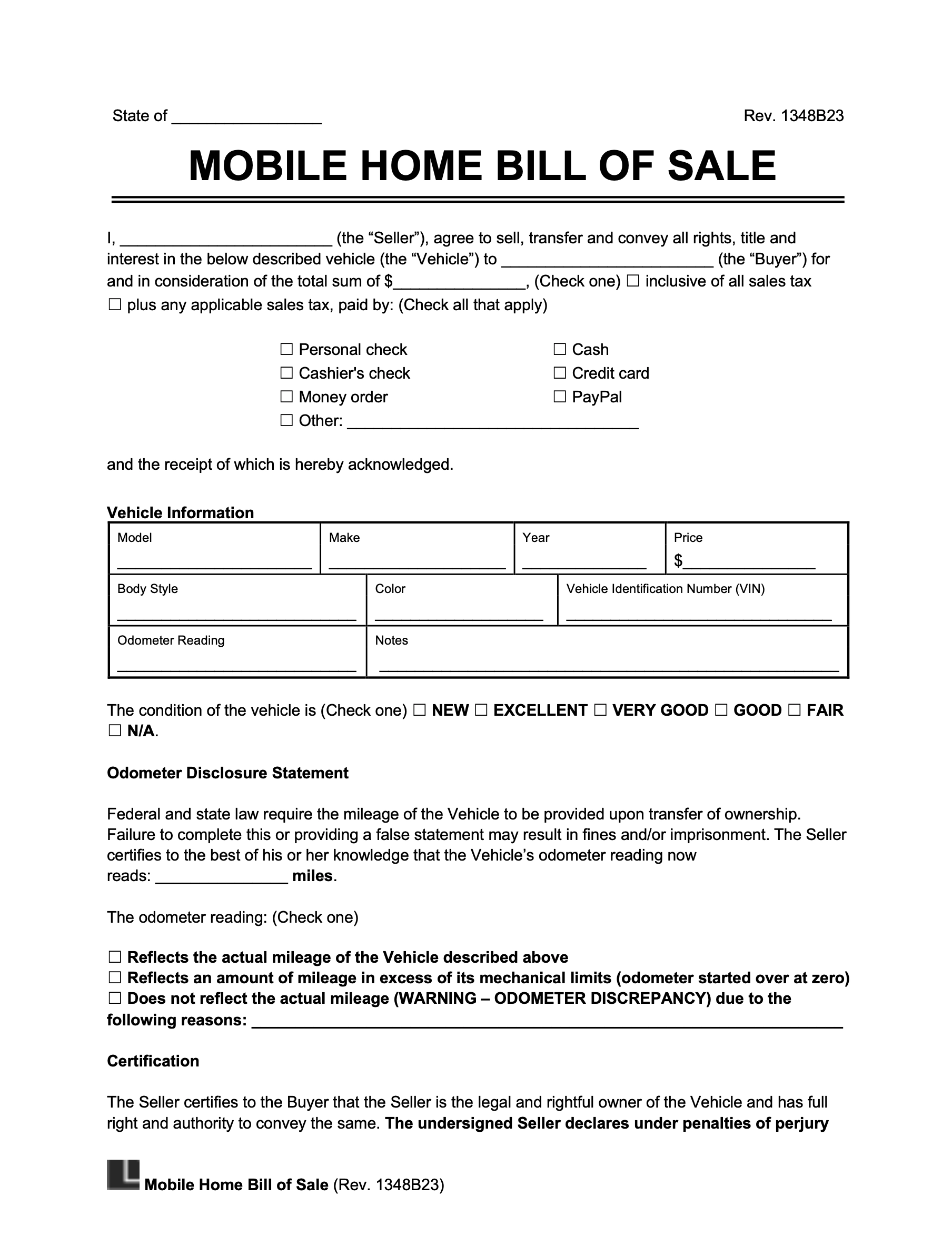
Irs Form Home Sale
Understanding IRS Form 1099-S for Home Sale
When you sell your home, the closing agent or escrow company is responsible for filing Form 1099-S with the IRS. This form includes information such as the seller’s name, address, and Social Security number, as well as details about the sale price and date of the transaction.
It’s important to review the information on Form 1099-S for accuracy to ensure that the IRS receives the correct information about your home sale. Any discrepancies could lead to potential issues with your tax return.
If you receive Form 1099-S after selling your home, make sure to keep it for your records and provide it to your tax preparer when filing your taxes. This form is crucial for accurately reporting the sale of your home and avoiding any potential tax penalties.
In conclusion, understanding IRS Form 1099-S for home sales is essential for homeowners looking to sell their property. By familiarizing yourself with this form and ensuring its accuracy, you can navigate the tax implications of selling your home with confidence.
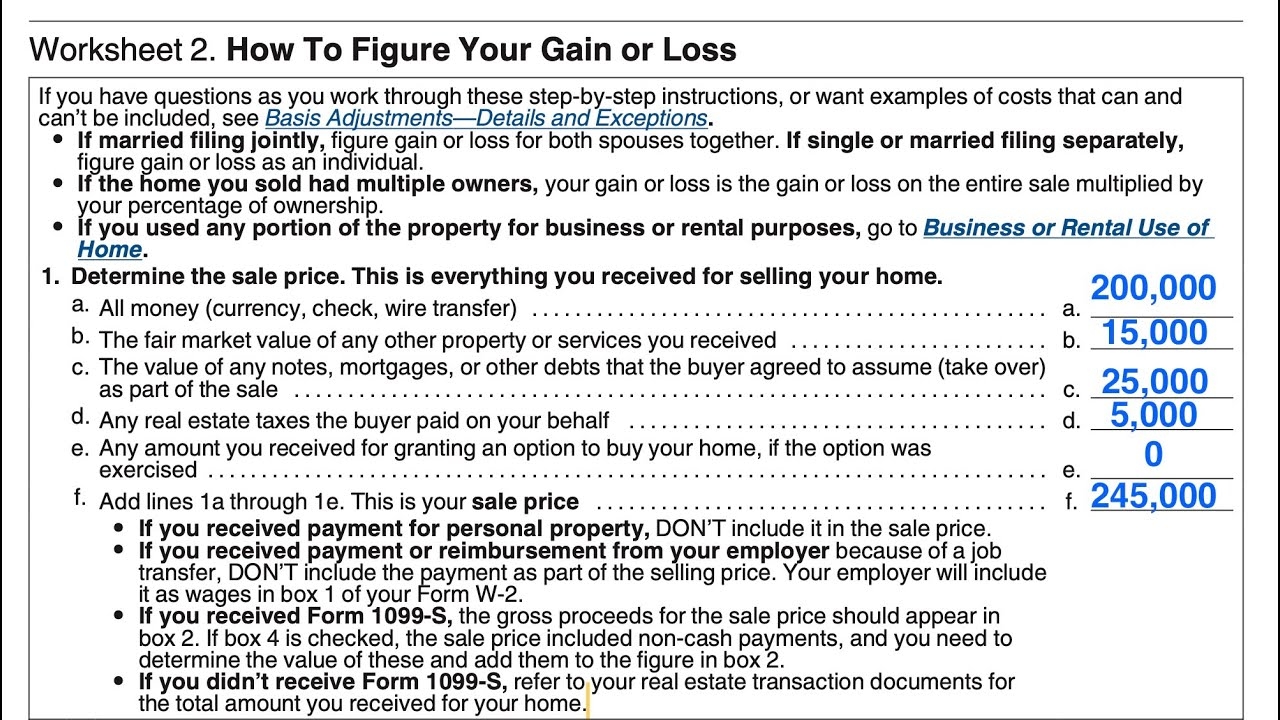
How To Figure Your Gain Or Loss Worksheet Walkthrough IRS Publication 523 Selling Your Home
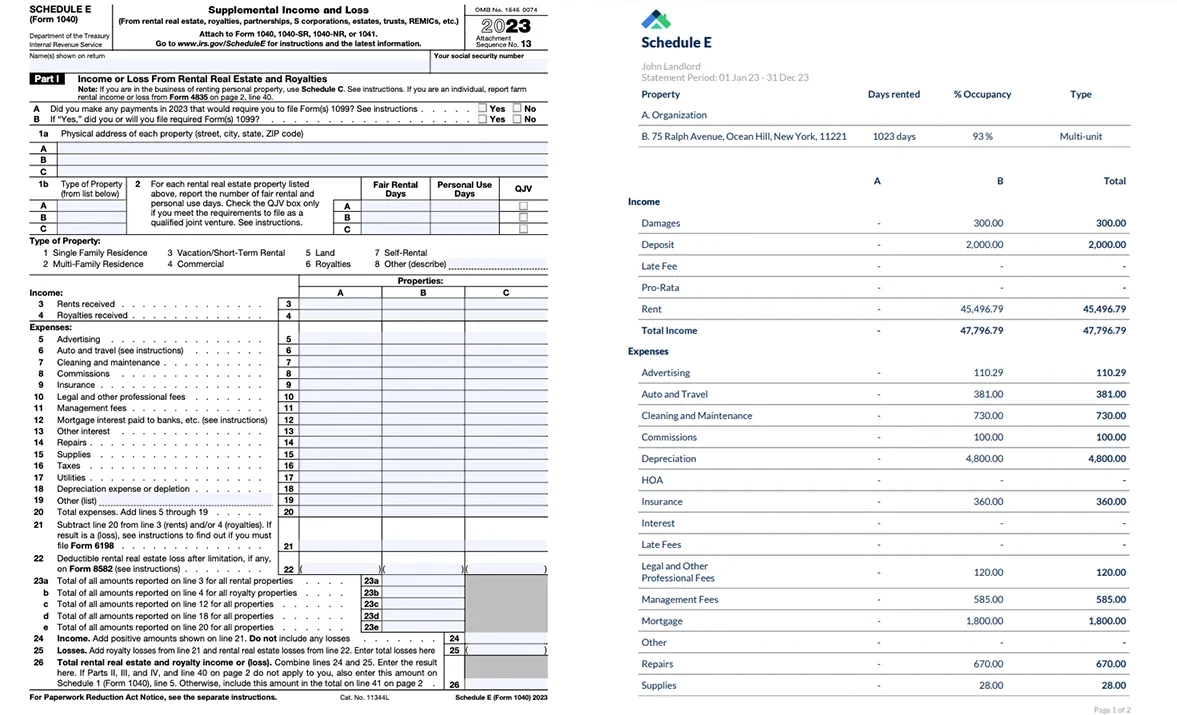
A Breakdown Of Your Schedule E Expense Categories Landlord Studio
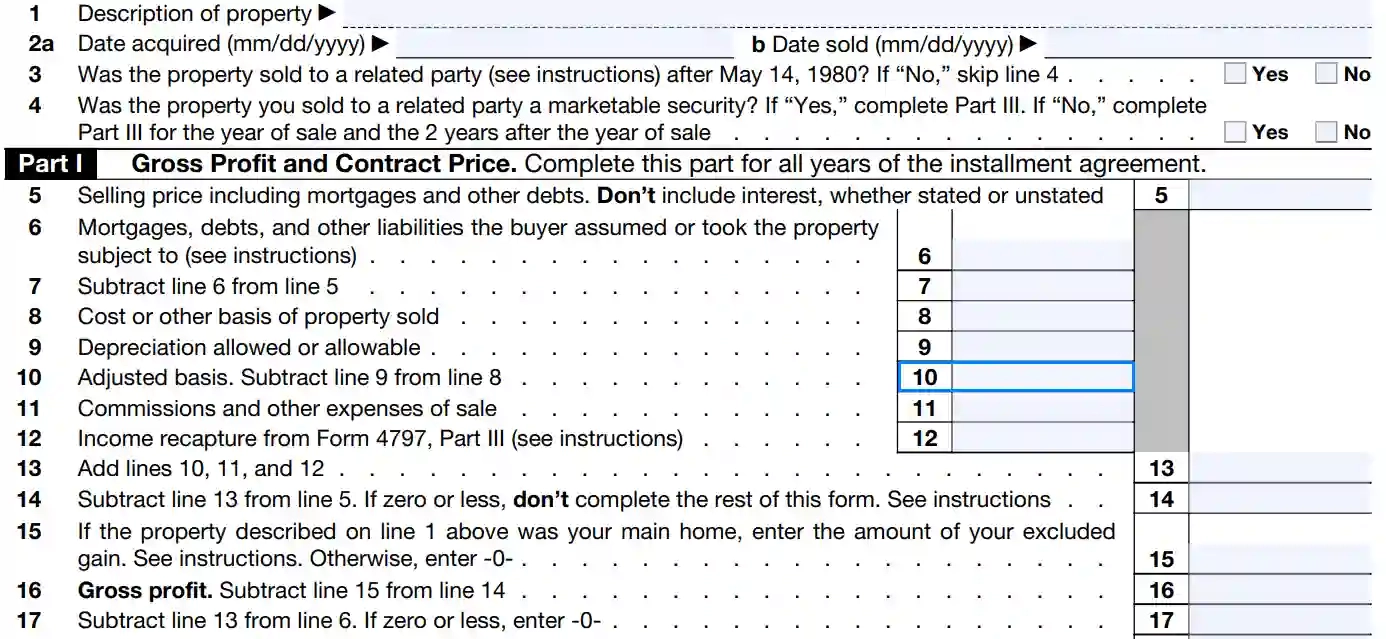
IRS Form 6252 Fill Out Printable PDF Forms Online
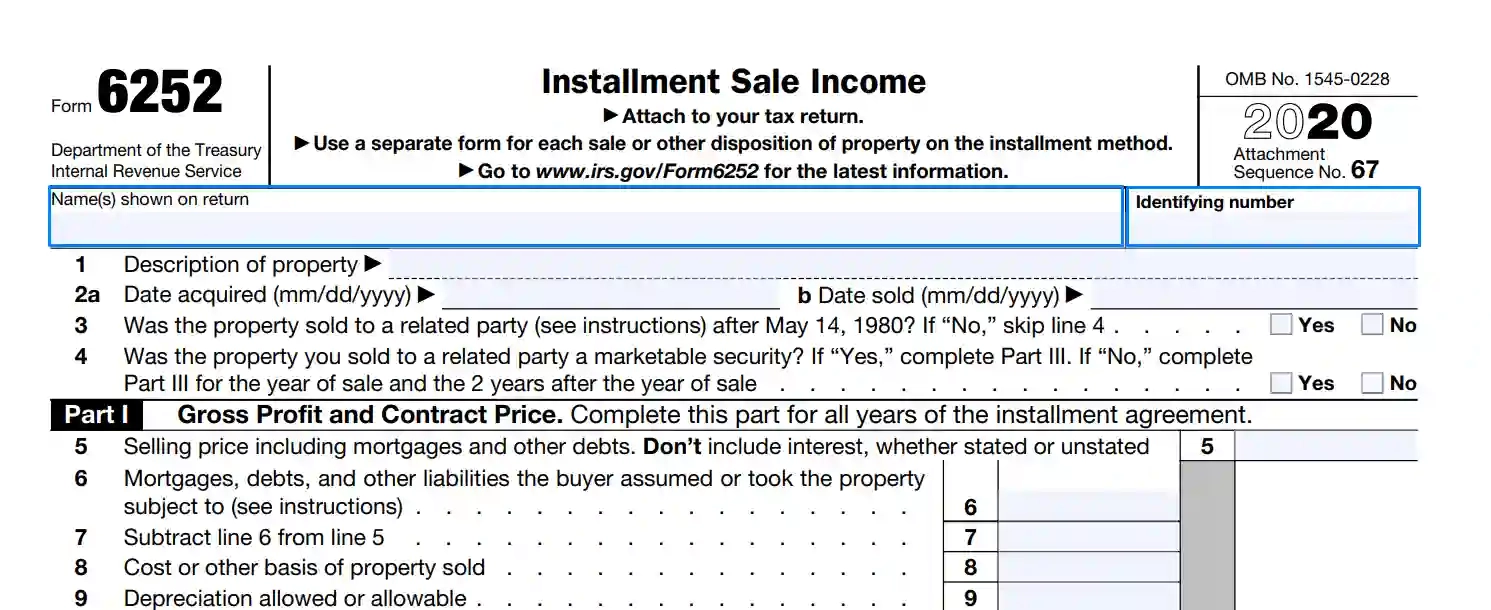
IRS Form 6252 Fill Out Printable PDF Forms Online
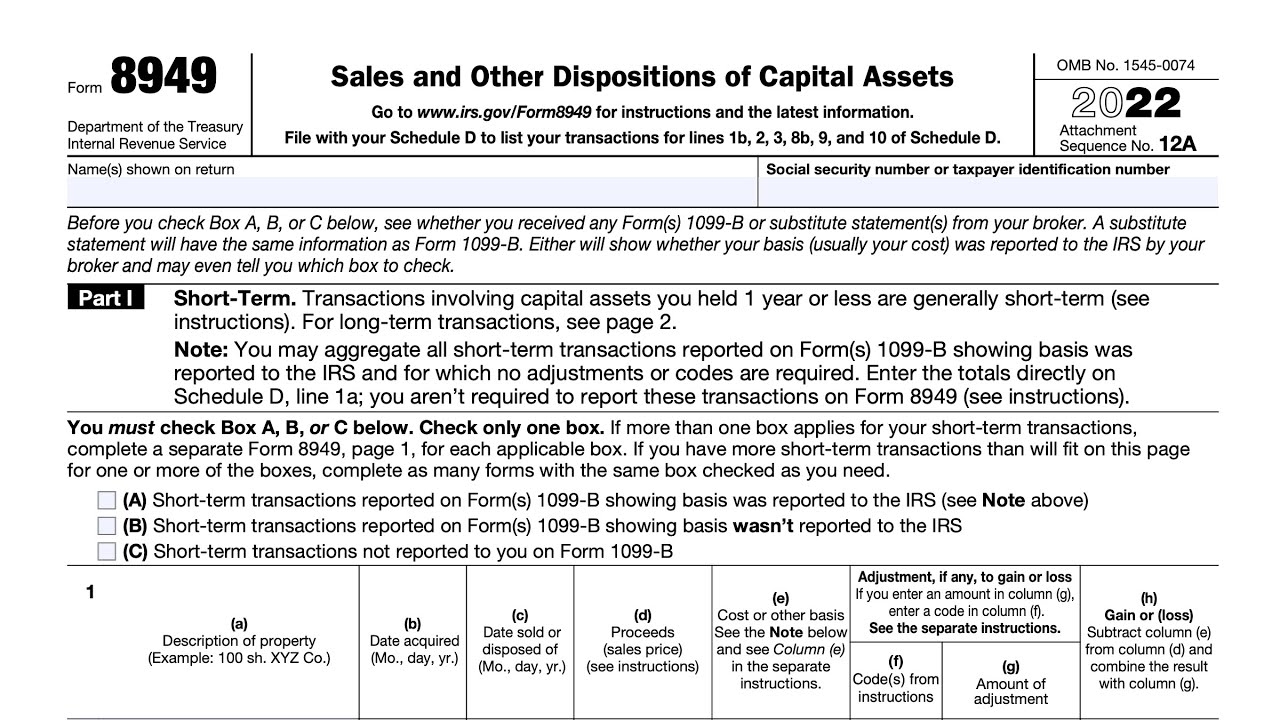
IRS Form 8949 Walkthrough Sales And Other Dispositions Of Capital Assets